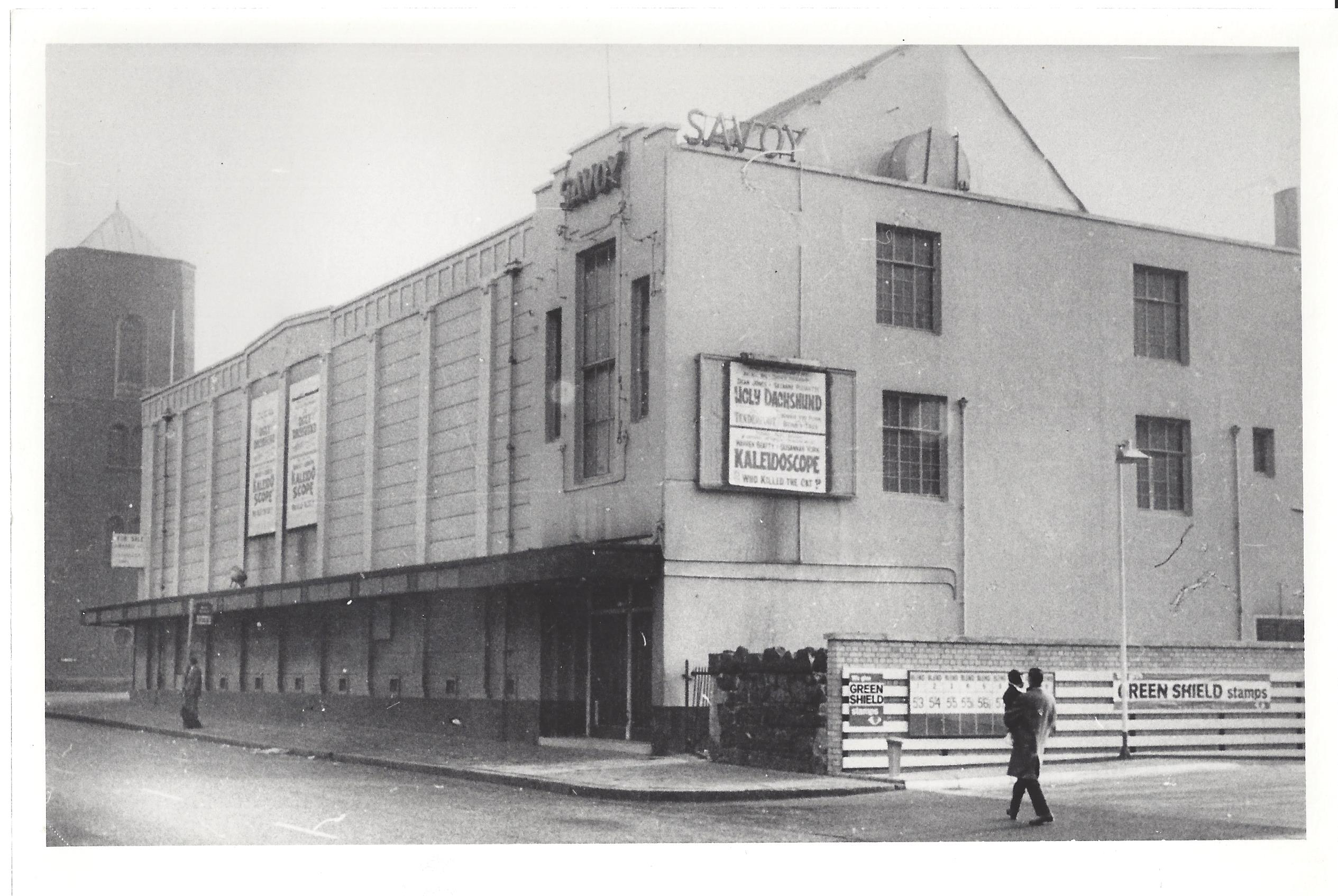
That was the slogan sometimes printed on film posters in the 1950’s. It’s still called going to the pictures, thankfully. The term the pictures, having supplanted the flicks from the days of early flicker show projection, fought off the insidious invasion of the movies from across the Atlantic. Little else, however, from the heyday of my picture-going, the mid 1950’s and early 1960’s, has survived.
Gone are the double features, the midnight matinees, the Minors’ Matinees, the two or three times weekly change of programme, the Front of House stills displays, the multicoloured footlights illuminating cascade curtains, the ice cream tray girls, the smoky beam of light from projector to screen and, most of all, the cinemas themselves, especially those innumerable little independents that were the entertainment hub of every town, and of some villages, all across the province.
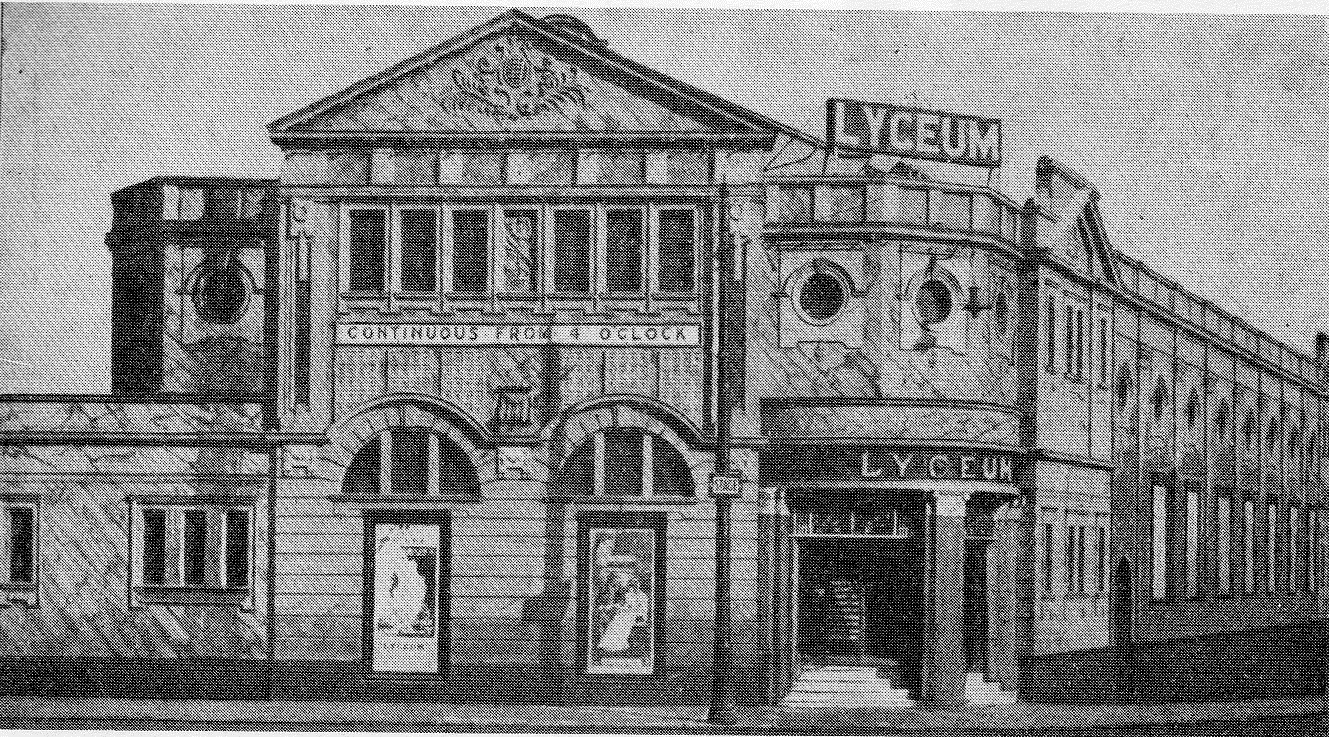
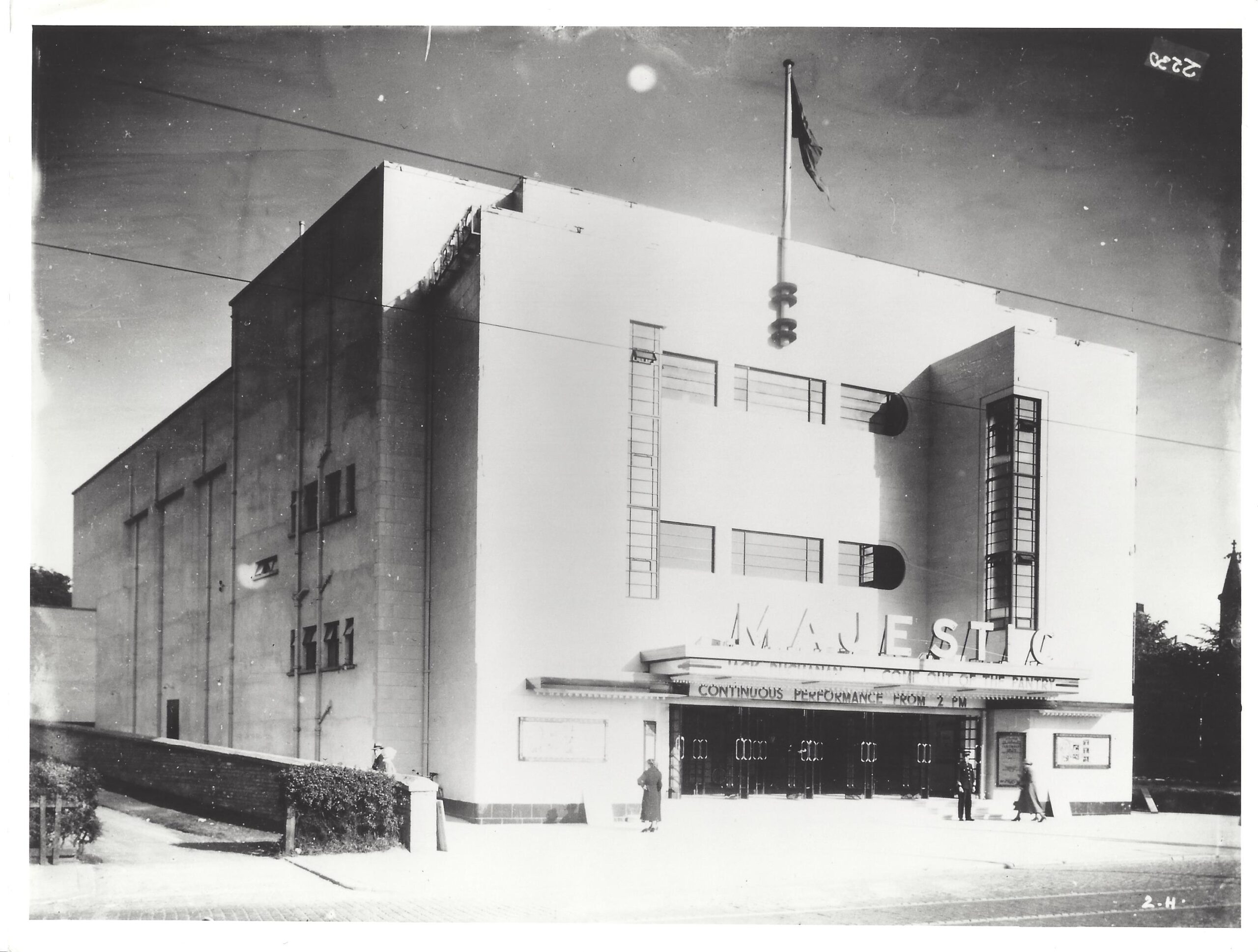
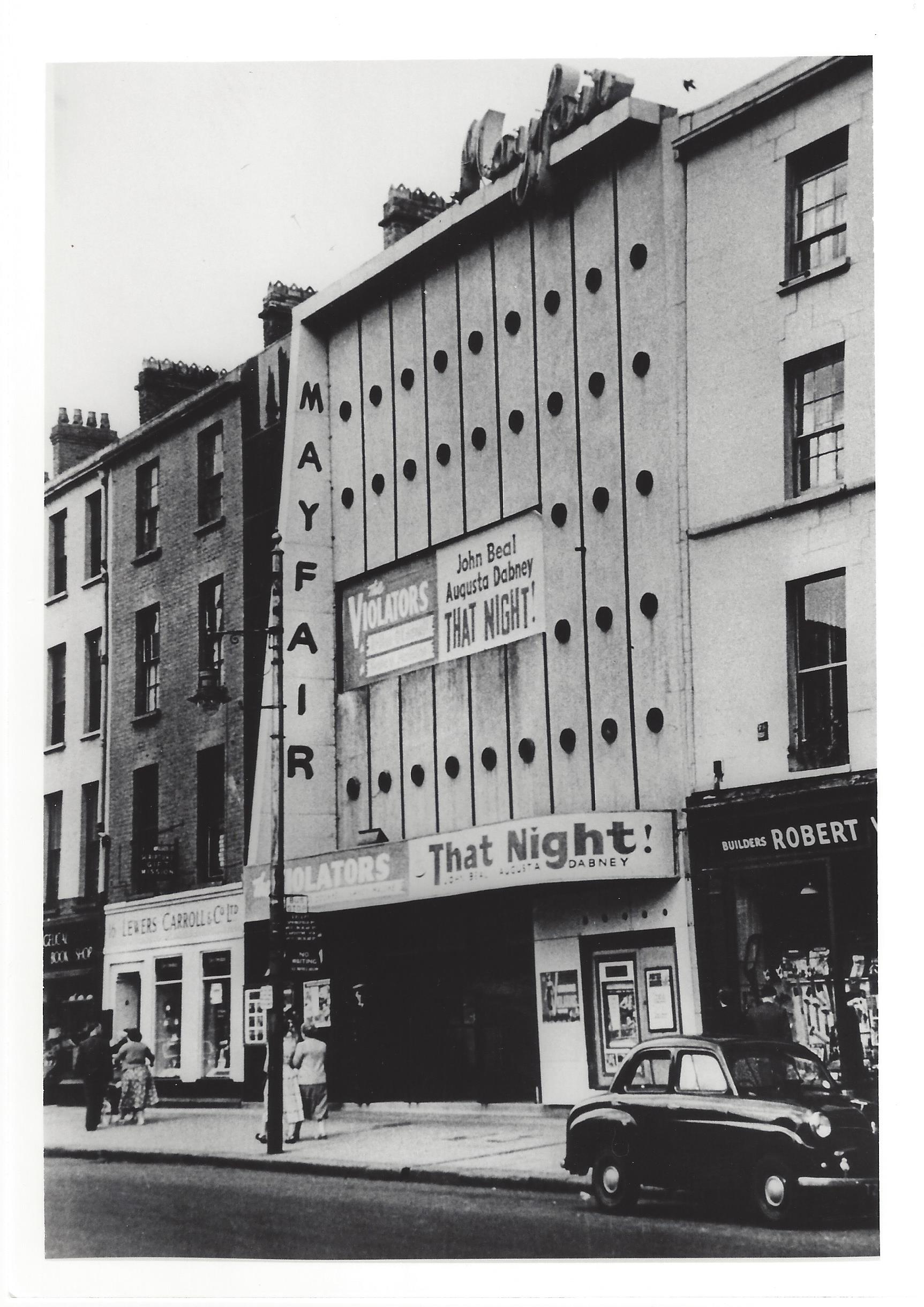
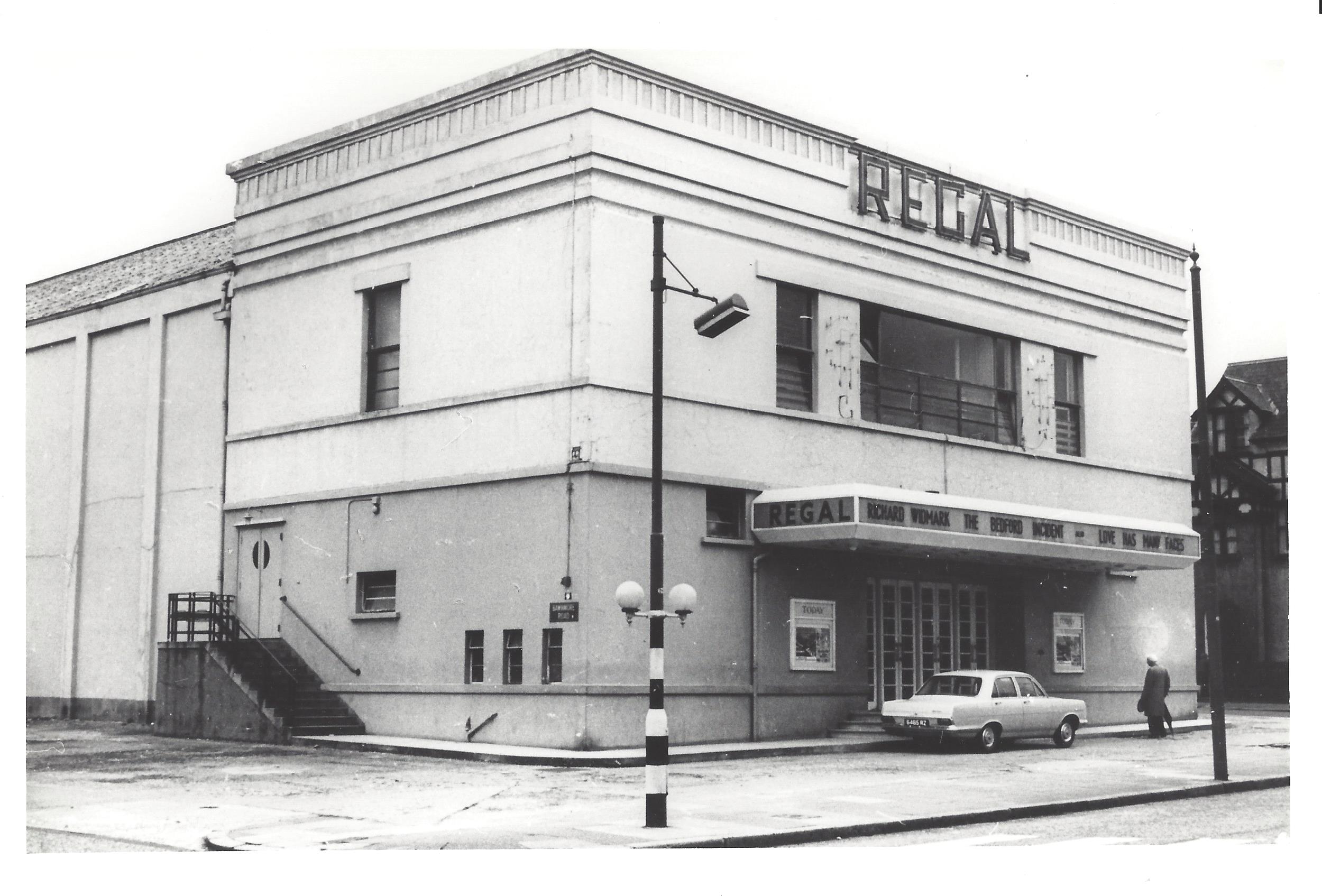
My generation remembers them very affectionately, recalling the distinctive architecture of buildings whose exterior features marked them out unmistakably as the local picture house. We fondly remember the imposing facade masking the corrugated asbestos roof, and the marquee, lettered with film title and actors’ names, that jutted out across the pavement and overshadowed curved steps and entrance doors, poster boards and stills frames. We remember best the grand commanding name of the picture house, often in glowing red neon, that gave familiar and much-loved identity to a place that was the centrepiece of many of the most enjoyable moments of our growing up.
The thing I marvelled at most was how, setting aside its name in large letters outside, each and every cinema, in spite of having basically the same architectural structure and features, managed to be uniquely and conspicuously recognisable and distinct from all the others. Even sister cinemas like The Strand and The Majestic proudly retained their own individual appearance and identity. Contrast that with the blandly anonymous and characterless buildings that are modern picture houses today.
For me the thrill of the cinema-going experience was somehow showcased by its external frontage. Its whole presentation served to introduce the promise of escape from the workaday world all around. Who could resist the allure generated by the Moulin Rouge design of the New Princess, or ignore the moulded splendour of the Lyceum? The very names made a visit to the pictures an occasion; the actual form and decor of the picture house enhanced our enjoyment of the film, added an extra dimension, a complementary dynamic. They ranged from the pragmatic The Picture House to the kingly, the glamorous, the exotic, the classical: Palace, Regal, Royal, Rex, Ritz, Regent, Imperial, Mayfair, Broadway, Arcadian, Coliseum, Alhambra, Savoy. OK, so some of them didn’t exactly live up to their illustrious names, and were labelled fleapits by sceptical sectors of the public, but every one served a valuable part in the social lives of our citizens and all deserve the place they hold in our memory and heart.
For a small city Belfast had more than its fair percentage of cinemas, with about sixty in operation when I was at my peak of picture-going. Many people will remember how the advertising for the city centre and suburban cinemas on the back page of The Belfast Telegraph required a full column and a quarter. I managed to visit most of them at least once, together with an appreciable number in Co. Down.
I always had a soft spot for the smaller privately owned halls, such as The Castle, the Windsor, the Forum, the Apollo, but I equally enjoyed a visit to The Strand which, like the majority, had a balcony looking down on its one large screen. Cinemas like the Strand hinted at a grandeur which for many patrons was missing from their daily round. They were efficiently run, with sufficient staff and capable management to ensure that there was none of the rowdiness or technical problems that would sometimes threaten the relaxed enjoyment of a film in one of the smaller venues.
I always made a point of being early for the show in order to absorb some of the atmosphere each picture house had to offer: that unique cinema smell of cigarettes, carpeting and floral sprays; the rows of furry tip-up seats, some with the arm-rests cushioned, some with wooden ones; the poster display boards on the walls of the foyer advertising forthcoming attractions; the lighting and decor in the auditorium; the proscenium arch, often intricately decorated with gilt mouldings. To this day, I still get a little flutter of excited anticipation when the house lights slowly dim and people settle in their seats ready to be richly entertained.
As for the films themselves, my primary interest was in the science fiction/horror b features of the period, often double bills such as Attack of the Crab Monsters/Not of This Earth or Man Without A Body/ Half Human. As the titles suggest, these were hardly first run material for The Ritz or The Hippodrome, which explains why the huge majority of my cinema visits were to what Kine Weekly called industrial halls. The most popular genre of the time was undoubtedly the western, and classics such as Shane and High Noon would be held over for a number of weeks. I especially liked the B westerns, with leading men like Rory Calhoun handling the gunplay in Apache Territory or Apache Uprising. The titles told you exactly what to expect.
It’s probably difficult for today’s public to grasp the importance the cinema had for the lives of people sixty or seventy years ago. Nowadays the pictures are just one of the many and wide-ranging attractions available, but at that time they were absolutely central in the social and entertainment arena. Fans would visit their local cinema three times a week, often seeing six feature films in the process. Films inspired crazes such as Davy Crockett hats, hair styles in the manner of Tony Curtis or Yul Brynner, James Dean jackets, and a raft of attendant magazines, the best known being Picturegoer and Film Review, and even a comic, Film Fun. For the film fan a Film Annual was almost an obligatory Christmas present. Someone with a high opinion of himself would be accused of wanting to be ‘the man in the big picture’. A rite of passage and mark of ‘going steady’ was taking your girl to the pictures and going to the Balcony, although some, myself included, couldn’t afford such chivalry and would pre-arrange with the girl to see you inside.
This was the age of big name stars, with a John Wayne film, for example, virtually guaranteed to draw big audiences. It was commonplace to see long queues waiting for the second house, and for hit films to be held over for as many weeks as public attendances decreed. Many cinemas ran a continuous programme daily, and on a wet, miserable day with lots of time to kill, I’ve been known to sit through the same films twice. You would sometimes overhear people saying, “This is where we came in,” as they got up to leave.
The fifties was the cinema’s second Golden Age, a title formerly held by the thirties, but as TV grew rapidly in popularity it signalled the beginning of the end for the picture house as the main provider of public entertainment. Neither Cinemascope nor 3D could turn the tide. I’m just thankful to have lived through this period and to have experienced the unsurpassed enjoyment of the picture palaces in all their glory.
Author biography
Born on Christmas Day, 1944, an identical twin. As war baby, grew up in the 1950’s, a decade that formed indelible tastes and values and imprinted a love of cinema, cinemas, and doowop music. Attended Regent House School in Newtownards, and graduated from Queen’s University, Belfast, with a degree in English. Taught English in Orangefield Boys’ Secondary School and in Victoria College. Left teaching after twenty years and concentrated on running the Tudor Cinema, Comber, for charitable ends. The cinema closed in March 2020, a casualty of the Covid-19 pandemic. Formed a small company with twin brother Roy that created props for advertising companies, built Christmas Grottos, and delivered courses and classes on the production of short films and special effects. Retired in the late nineties and now focuses on writing short stories and poetry. Married, with two grown-up children and twin grandsons.