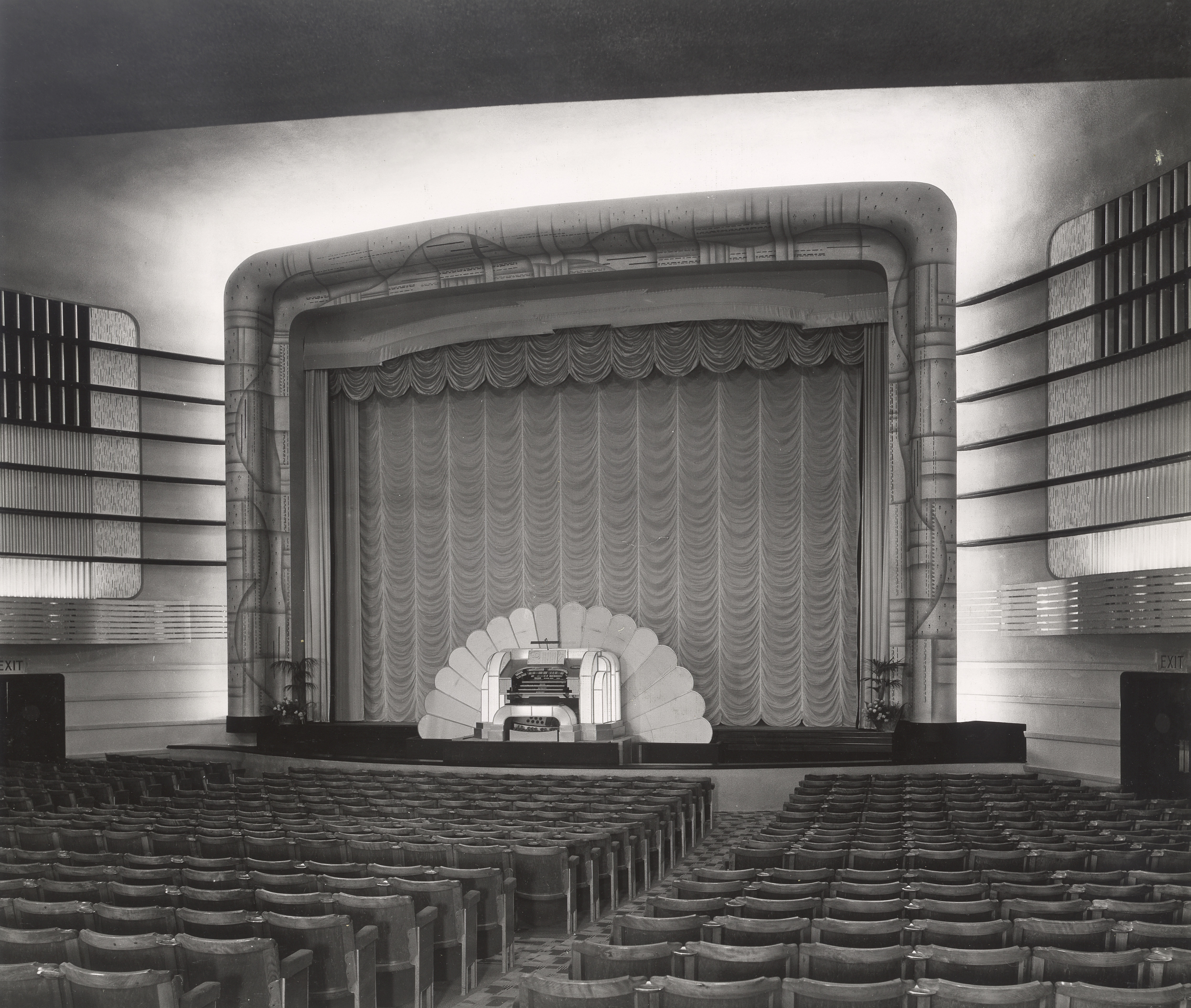
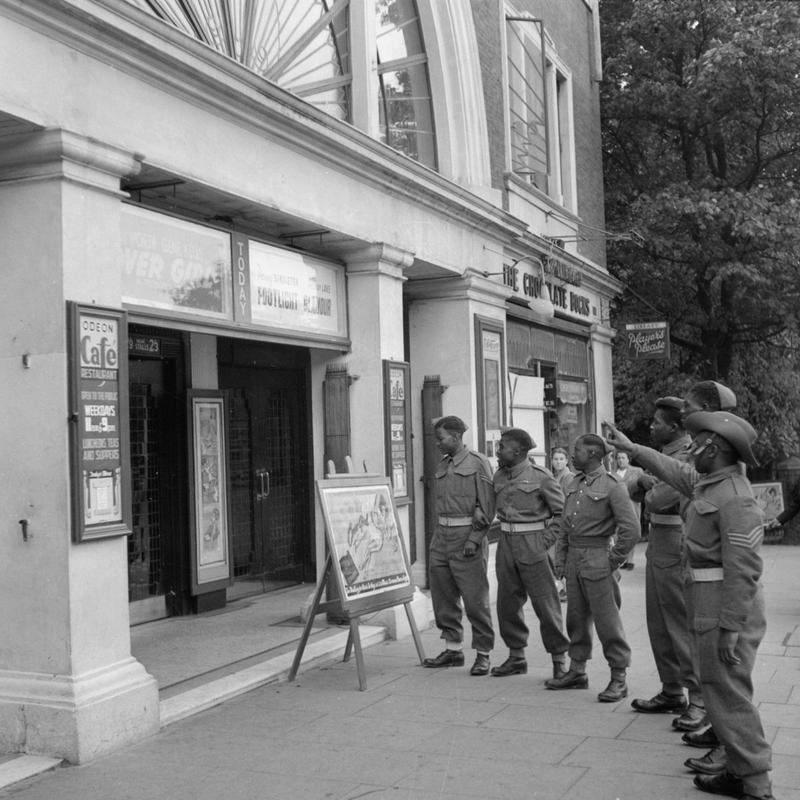
By the time the Strand opened in December 1935, cinema was the foremost commercial leisure activity providing affordable and accessible entertainment for the working classes. Exhibitors had successfully navigated the transition from silent to sound cinema and Hollywood had firmly cemented its place as the film-making capital of the world. There were cinemas in almost every town and city across Britain and Ireland, ranging from down-at-heel fleapits and poorly adapted local halls to modern art deco picture palaces able to host upwards of 2,000 cinema-goers in a lavish single-screen auditorium. The more upmarket cinemas charged more, but had first access to the latest films and employed usherettes and commissionaires dressed in glamorous uniforms.
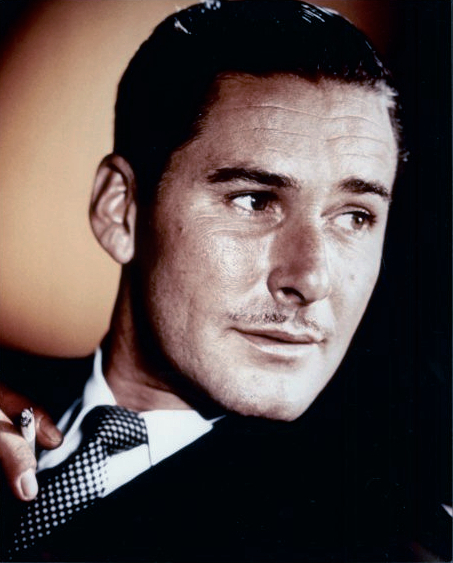
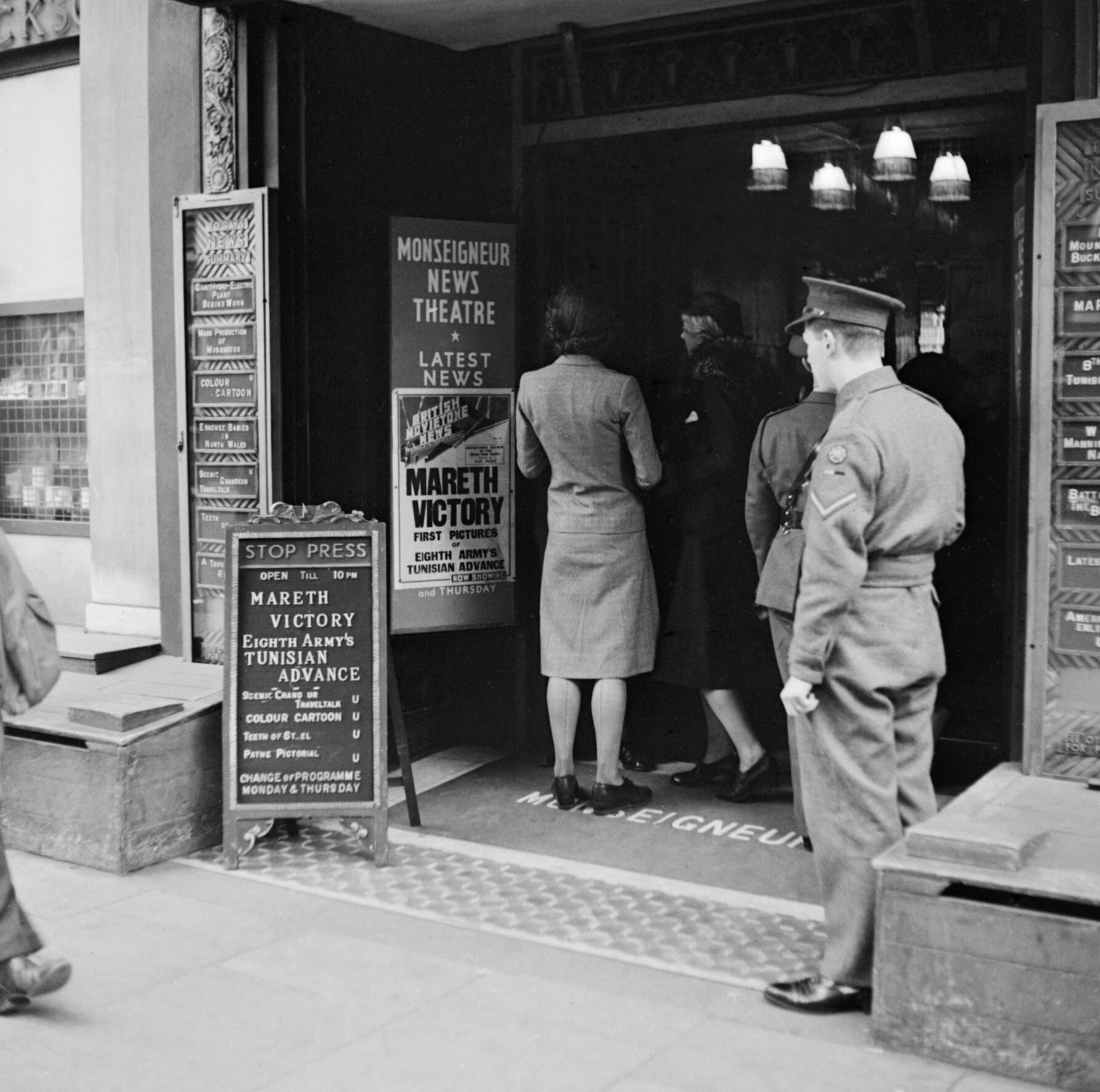
Audiences grew during the 1930s, catered for by a cinema building boom that attracted increasing numbers of middle-class patrons. For an affordable price, cinema-goers could see glamorous stars such as Errol Flynn, Greta Garbo or Marlene Dietrich, and were provided with a full evening’s entertainment, often consisting of two features alongside newsreels, cartoons and shorts. Many venues operated continuous programming with patrons able to enter at any time – the programme often played on a loop leading ‘this is where we came in’ to become an often-heard phrase in cinemas. However, the increased popularity of the cinema was also a source of anxiety for many authority figures, who expressed concern about the impact on the built environment and the influence of American popular culture, especially on young women.
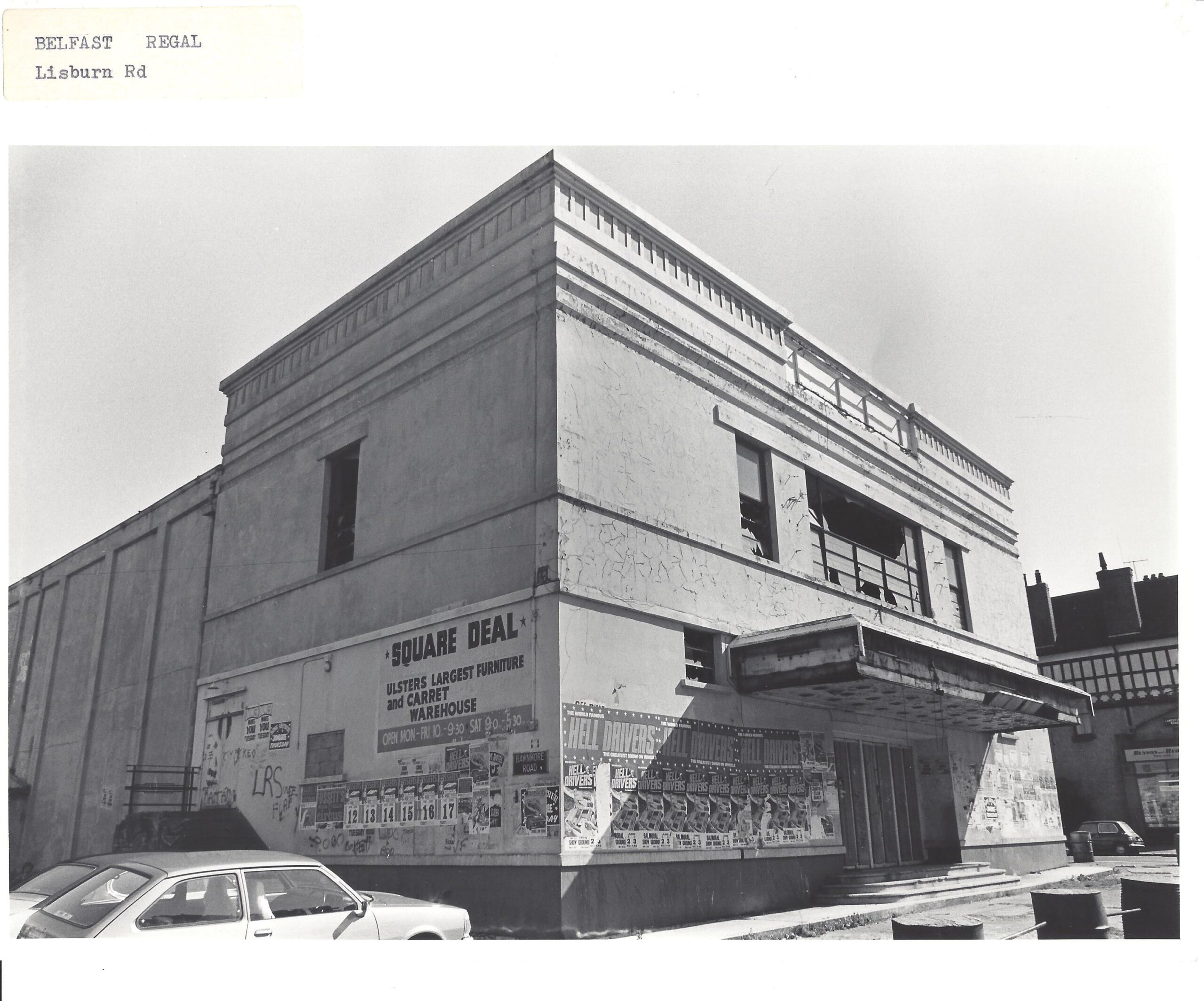
At the outbreak of the Second World War, the Home Office ordered cinemas in Great Britain (but not in Northern Ireland) to close. This decision was quickly reversed and a greater desire for escapism, alongside the lack of alternative leisure activities, led UK cinema attendance to grow significantly. As one Belfast cinema manager commented ‘people are too strung-up to rest, and a good film or play lifts them out of themselves… it’s marvellous the effect of a comfortable seat and a cheerful piece of entertainment can have’. This increased popularity, however, provided little solace to the owners of the many cinemas destroyed during the war.
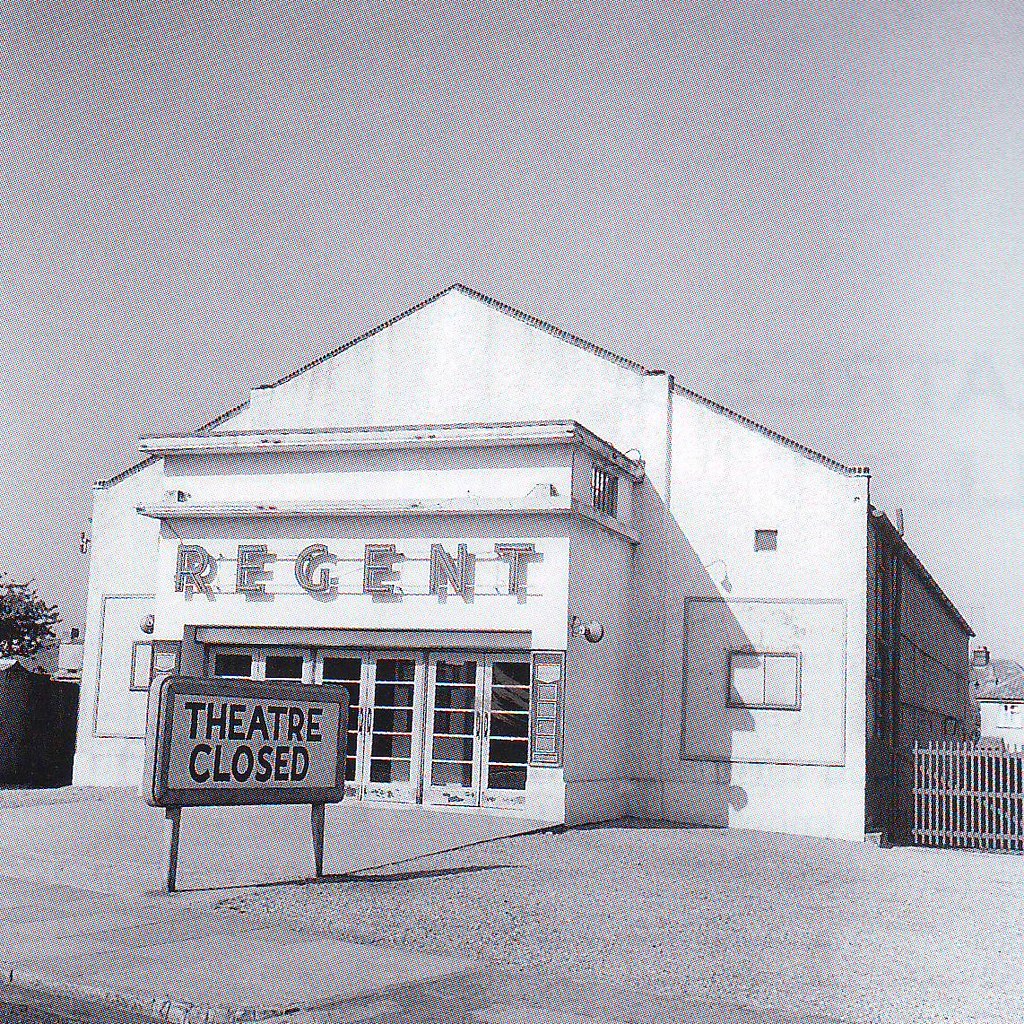
UK cinema admissions reached an all-time high of 1.6 billion in 1946, but then declined significantly from the 1950s onwards. In contrast, attendance in the Republic of Ireland peaked only in 1954. The growth of television ownership is often seen as the death knell of cinema, yet it was just one of many reasons for its post-war decline. New and better suburban housing physically drew people away from cinemas, increased affluence meant that people were spending their money on a wider variety of goods and services, and there were more leisure activities to keep people entertained, such as dancing, bowling and bingo.
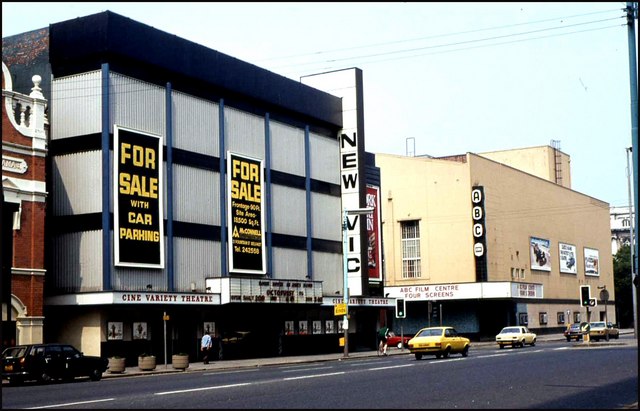
Going to the pictures was still popular and played an important social role, whether that be for children to enjoy their favourite western serials at Saturday matinees or for teenage couples to spend a few hours in the dark free from parental supervision. Many of the latter lit cigarettes, filling the auditorium with smoke that could be seen through the projector beam. In general, however, cinema held a far more marginal place in people’s lives and despite attempts to draw them back in in with wider screens or 3D films, they were simply going on fewer occasions. The result was that many cinemas became unprofitable and shut their doors for the final time. While some were converted for other uses (including bingo), many were razed to the ground with little regard for their architectural heritage. Fortunately the Strand is one of the minority of suburban art deco cinemas built in the 1930s that remains in operation today.
During the 1960s many of the larger exhibitors, such as ABC and Rank, consolidated their interests and placed greater emphasis on a smaller number of larger city centre venues. Without a cinema on their doorstep, many people found that a casual trip to the pictures became more difficult and it was easier to spend a night in front of the television. In response to falling audience numbers, and to attract people away from their sofas, cinemas offered a greater choice of films by dividing buildings with partition walls and ceilings to create multi-screen venues.
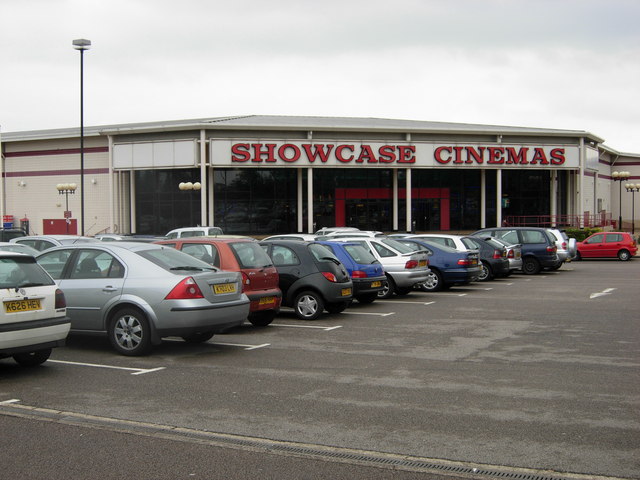
UK Cinema attendance declined further in the 1970s and by 1984 reached its nadir with only 54 million admissions. While venues were struggling everywhere, the Troubles only made things worse for exhibitors in Northern Ireland. By the 1980s, many cinemas were old-fashioned, had not been updated for decades and struggled to compete with the growth of home video. The introduction of new multiplex cinemas from the mid-1980s, often in out-of-town locations with better car parking facilities, led to an increase in UK admissions which rose every year from 1984 to 1994. These new multiplexes existed alongside a variety of independent and arthouse cinemas offering a broader scope of programming and a wider range of international films.
UK cinema admissions grew steadily in the 21st century, and by 2019 stood at 176 million. But while the Covid-19 pandemic had a devastating short-term impact on cinema attendance, recent figures show the industry’s resilience in the face of streaming services and new ways to engage with content. There is still public demand to watch films projected on the silver screen and we’re lucky to have the Strand, a venue that celebrates cinema’s heritage but also provides a diverse and inclusive programme catering for a wide contemporary audience.
Author biography
Dr Sam Manning is a social historian who has written widely on the history of cinemas and cinema-going across Britain and Ireland.